Exhibition
everything must change. Radical intelligence. Saloniki 9
MOMus, Thessaloniki
23 May – 5 July, 2026
- Images
- Text
- Press
- Back to exhibitions
9th Thessaloniki Biennale of Contemporary Art
everything must change. RIS9
May 23 — July 5, 2026
Curated by Nadja Argyropoulou
Biennale 9 engages with a common(place), yet (re)current, urgent and plural demand, “everything must change.” With its punchiness, it may feel like a revolutionary cry and echo like an empty slogan, ring like rage bait and work like a charm; there is something in it for everyone, and it does not belong to anyone exclusively. It is a phrase that is now, more than ever, wielded by social revolutionaries and technofeudalists alike, by persecuted activists and fascist-adjacent demagogues, by rival social classes and diametrically opposed collective forms of expression, by countercultures and institutional propaganda. It is being used to erase the gap between the home and the streets, the click and the walk, to highjack ambivalence and twist solidarity.
Biennale 9 engages with the incommensurability between our available vocabularies and that which we are asked to describe and live, as well as with art’s ambivalent place, central and marginal at the same time, in a world of violent shifts and widening inequalities. It engages with forms of playful resistance, with fugitive tactics of dismantling and solidarity, with the feedback loop of call and response, or what Arthur Jafa has described as the “quantum dimension of emancipation.”
It is cast as a para-biennale that acknowledges, integrates in its formation paradoxes of enclosure and escape, takes pleasure in errant paths and time warps, and sides with tactics of joyful militancy and the intimate labor of attending to the unrecognized and repressed, the peculiar and the eerie.
If indeed, “in the face of new tyrannies encroaching, we should use art not to ‘ask questions’ but to give audacious answers that nobody asked for” (as per Luce deLire), Βiennale 9 enters by experimenting with an anarchy of answers, refusing the proper and the proposed in outright censorship but also beyond its obvious mandates.
It suggests, through the works, its rationale, and the choice of its venues, a kind of radical intelligence (hence the shorthand “RI”), and sides with a non-fascist AI that does not reproduce forms of dominance but supports autonomy and freedom based on collective activity and suppressed knowledges.
If new solidarities and vocabularies, a “social otherwise,” need to be crafted in order to change life shaped by genocidal capitalism, then Biennale 9 wishes to explore the distance between the utterly improbable and the possible set forth by this need, experiment with the unfolding, metamorphic possibility of this shared refusal-in-solidarity, of the aesthetic sociality emerging as one possible response.
Thus, it chooses to be inspired by Saidiya Hartman on the small scale of Black life, where waywardness is “the avid longing for a world not ruled by master, man or the police . . . the social poesis that sustains the dispossessed . . . a short entry on the possible.”
The shorthand “S9” in Biennale 9’s title evokes a popular, older, eastern in origin, oral name of Thessaloniki (Saloniki), thereby inserting in the Biennale’s utterance a double movement, towards and away from the city, an attempt to foster a sense of togetherness — however temporarily — with Thessaloniki’s obscured, neglected spaces, agents, ghosts, and symbols of life, as well as to traverse the elements that link Assata Shakur’s letter to the Pope with Rimbaud’s poems, Dinos Christianopoulos’s Vardari with Emma Goldman, the critique of fascism as a politics of hate that is written in the language of love, as per Sara Ahmed, with the gallows humor of Beckett and the radicality of Pasolini, a creator that has been honored repeatedly in the north of the Greek south.
Through its shared utterances, visual frequencies and vibrations, terrible mixtures and abundance of f(r)ictions and glitches; through its peripheral and precarious position in the economies of the artworld, Biennale 9 employs a mode of close narration, embracing the stance of the (ins)urgent. It employs the method of critical fabulation and is formed improvisationally by what it proposes and explores.
The essayist of the catalogue of Biennale 9 and interlocutor of its curator, professor T. J. Demos, notes: “Speculative fabulations of emancipatory futurity take shape in the ruins. . . . These are sites of contradiction where the aesthetic becomes situational, tactical — a terrain for struggle. In the convergence of art and politics, the question is not whether resistance is possible, but how it will now be composed, at what cost, to whom. . . . Small steps matter, even when everything must change.”
If, as Gayatri Chakravorty Spivak notes, “the revolution is like housework — you have to do it every day,” then the 9th Biennale of Contemporary Art “everything must change. RIS9” wishes to be part of this every day and, while exploring it, to encompass a proposition for life itself.
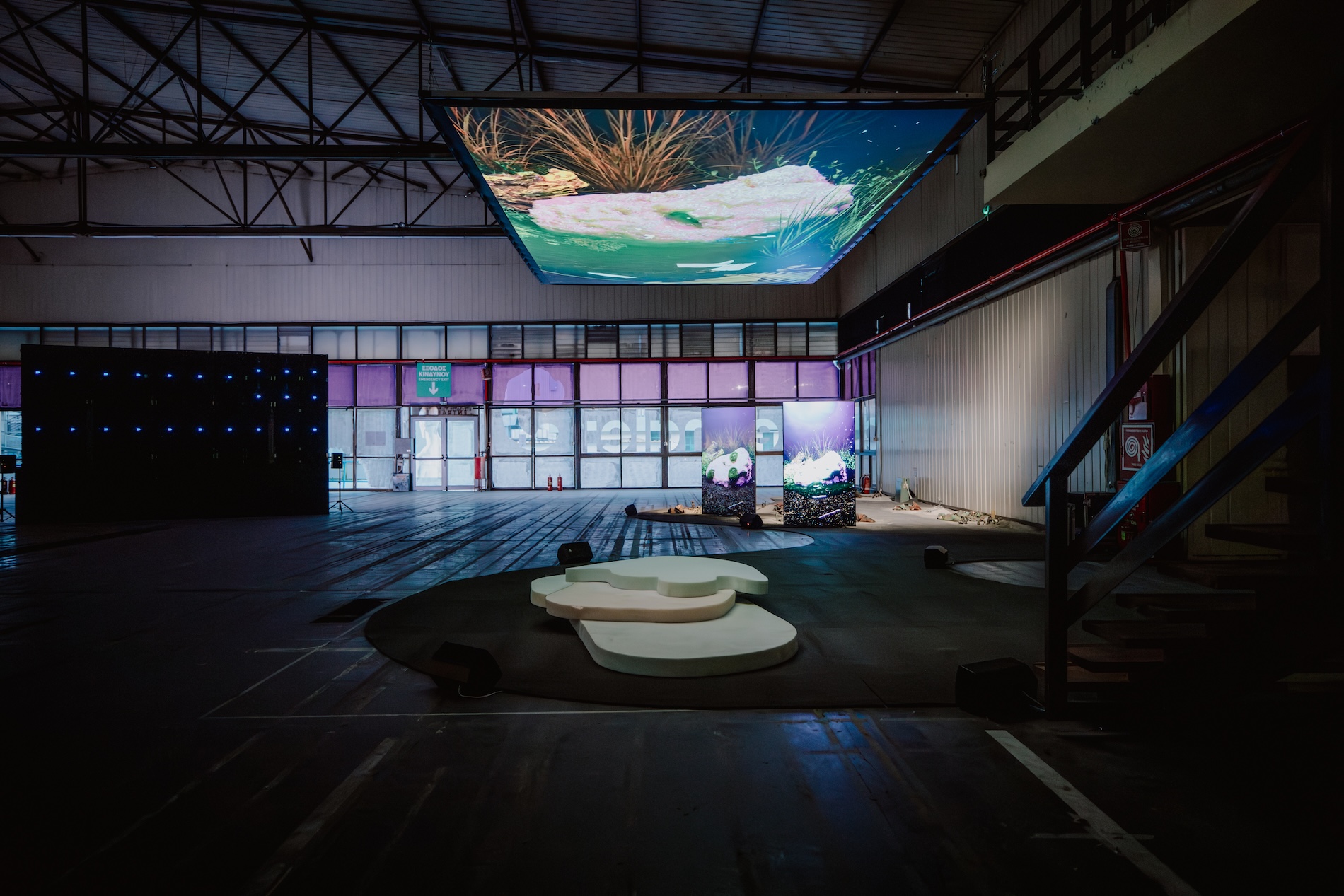
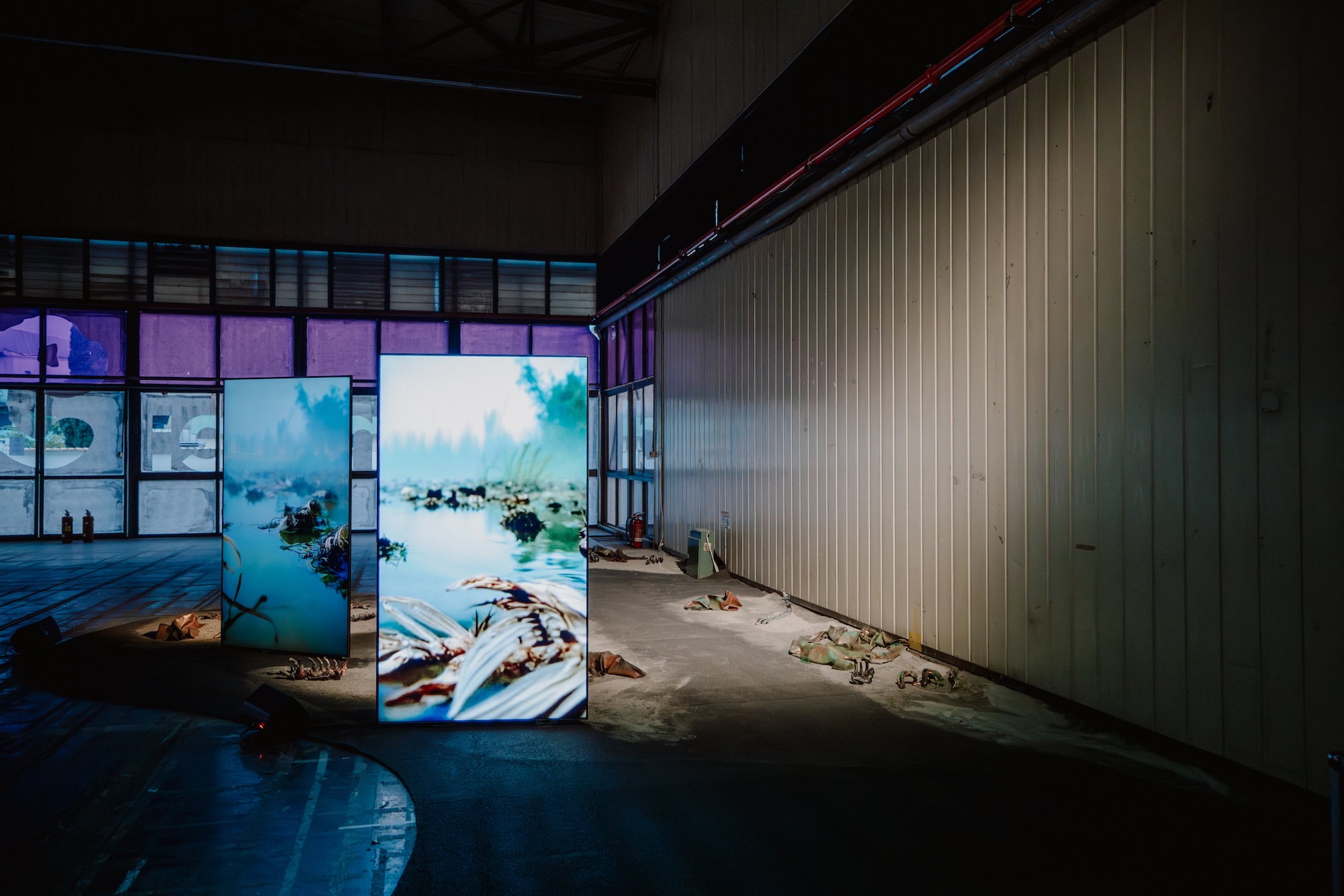
Installation view of everything must change. Radical intelligence. Saloniki 9, MOMus, Thessaloniki
Photo: Olga Deikou
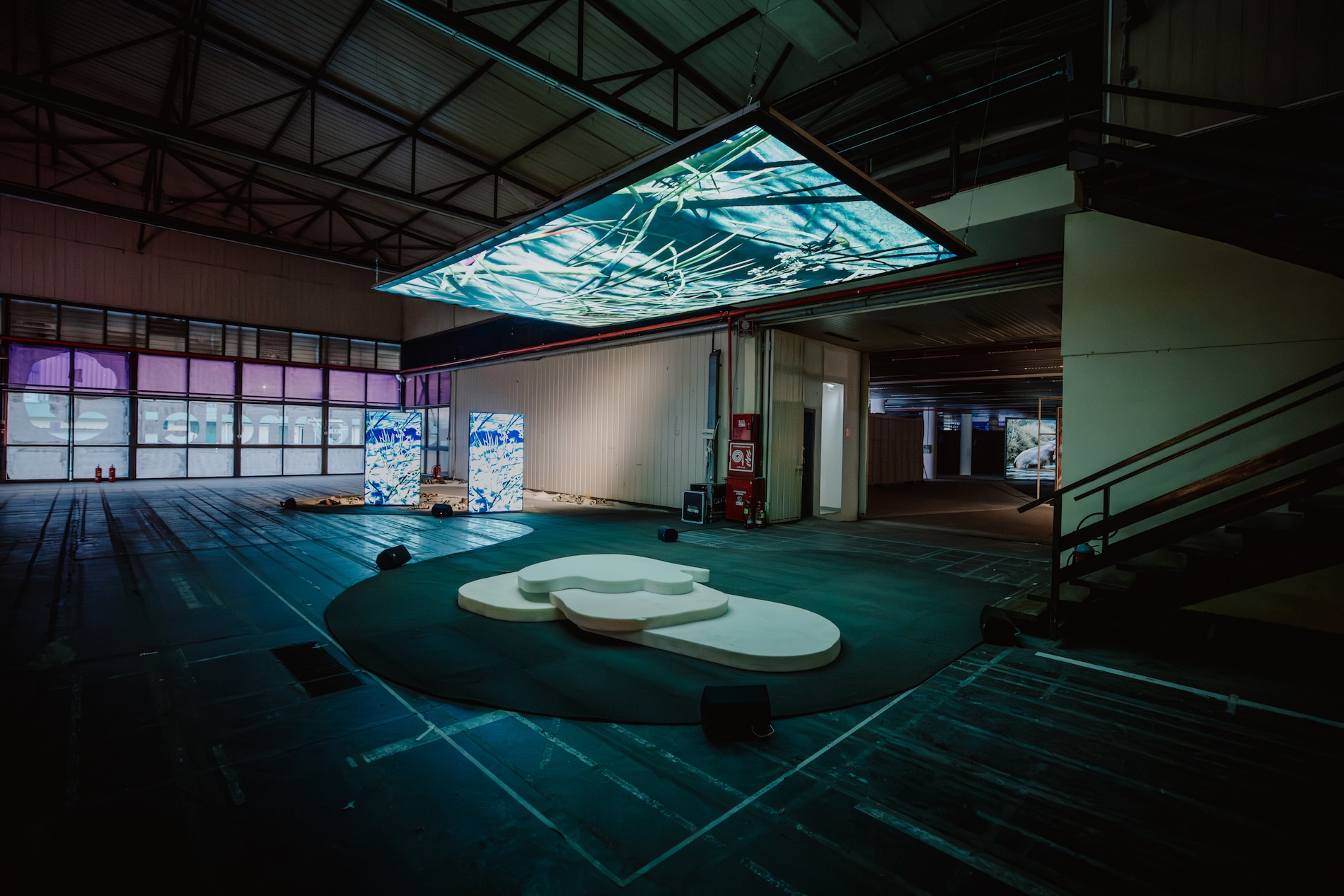
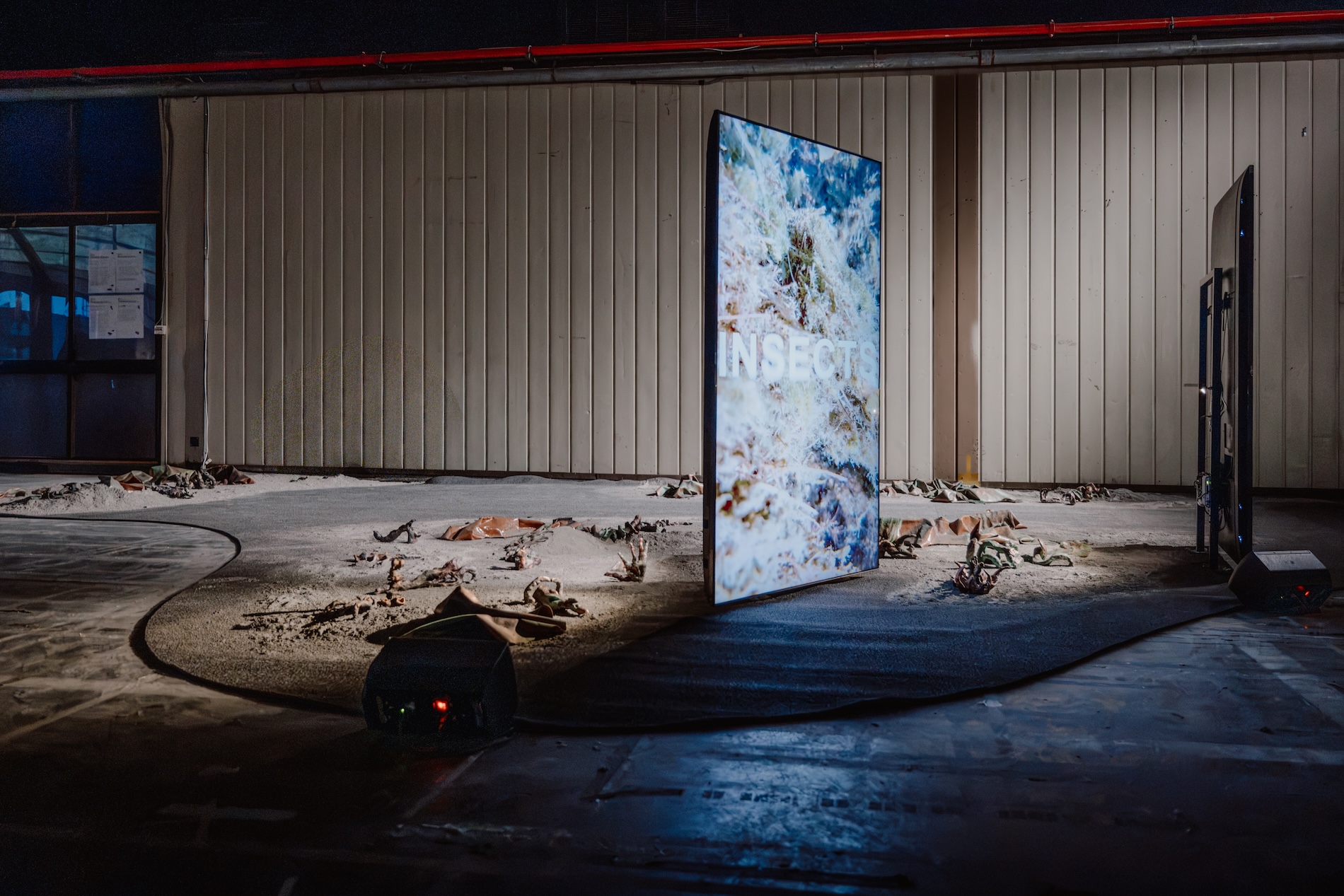
Installation view of everything must change. Radical intelligence. Saloniki 9, MOMus, Thessaloniki
Photo: Olga Deikou
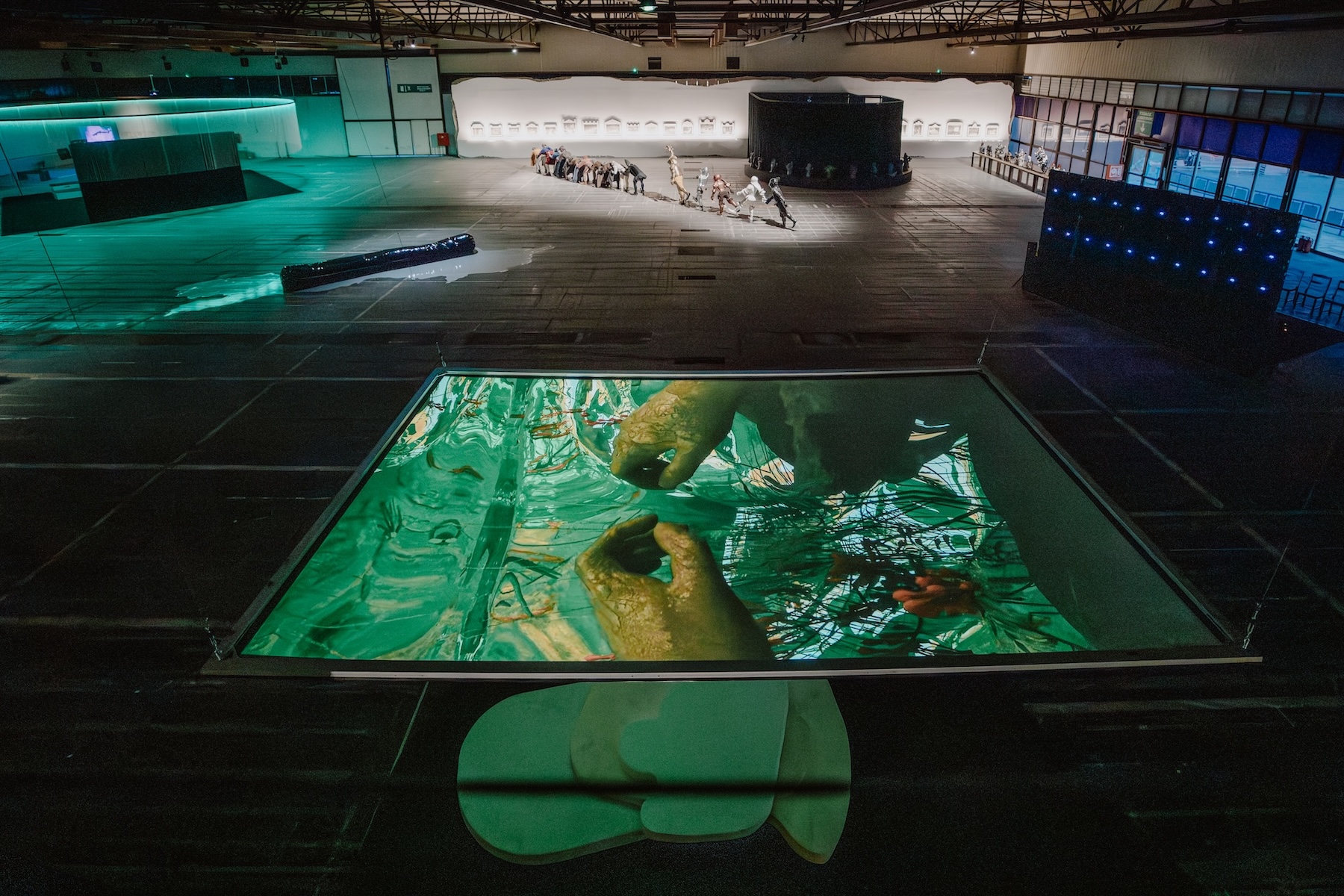
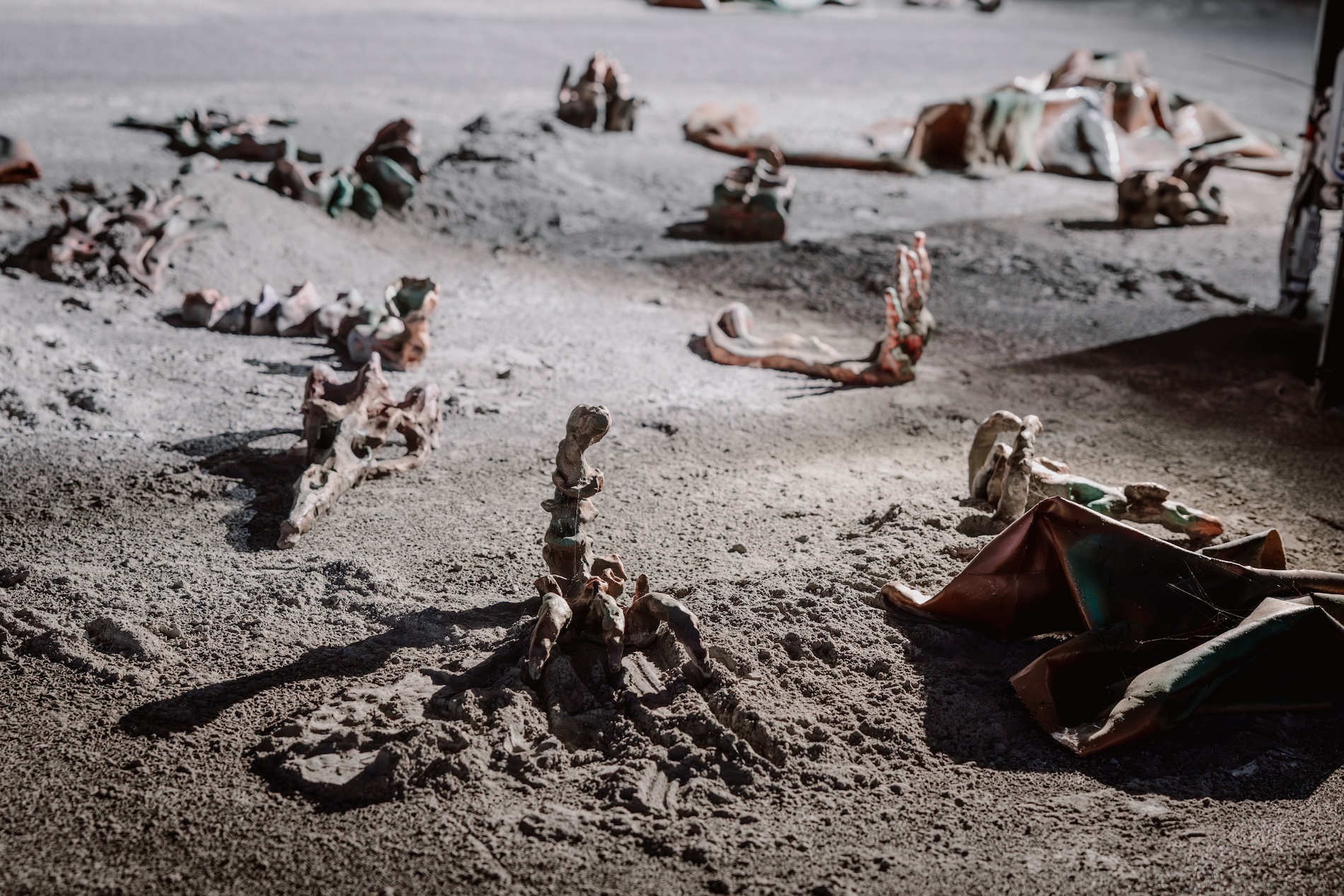
Installation view of everything must change. Radical intelligence. Saloniki 9, MOMus, Thessaloniki
Photo: Olga Deikou
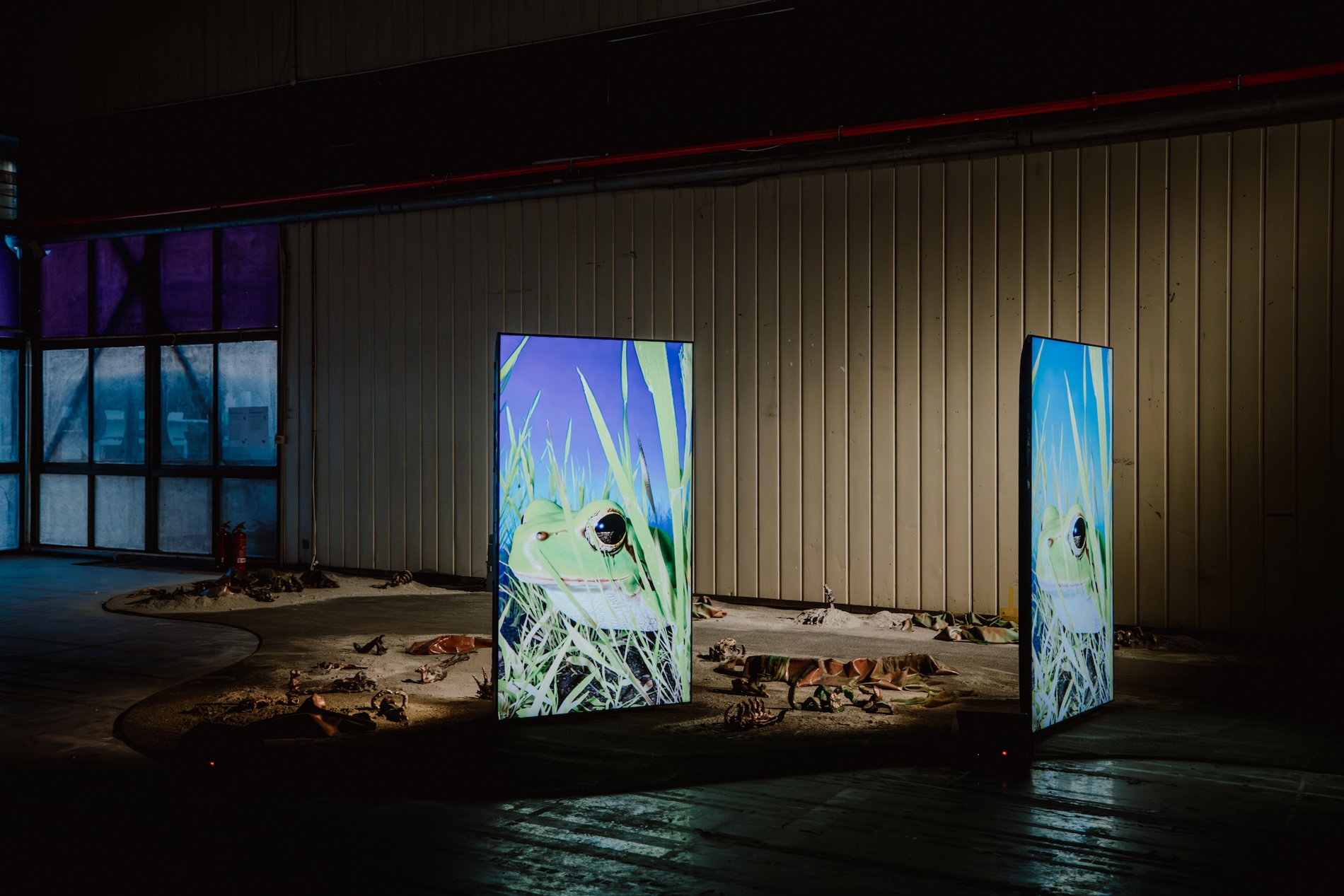
Installation view of everything must change. Radical intelligence. Saloniki 9, MOMus, Thessaloniki
Photo: Olga Deikou
Installation view of everything must change. Radical intelligence. Saloniki 9, MOMus, Thessaloniki
Photo: Olga Deikou
Installation view of everything must change. Radical intelligence. Saloniki 9, MOMus, Thessaloniki
Photo: Olga Deikou
Installation view of everything must change. Radical intelligence. Saloniki 9, MOMus, Thessaloniki
Photo: Olga Deikou
Installation view of everything must change. Radical intelligence. Saloniki 9, MOMus, Thessaloniki
Photo: Olga Deikou
Installation view of everything must change. Radical intelligence. Saloniki 9, MOMus, Thessaloniki
Photo: Olga Deikou
Installation view of everything must change. Radical intelligence. Saloniki 9, MOMus, Thessaloniki
Photo: Olga Deikou
Installation view of everything must change. Radical intelligence. Saloniki 9, MOMus, Thessaloniki
Photo: Olga Deikou
Installation view of everything must change. Radical intelligence. Saloniki 9, MOMus, Thessaloniki
Photo: Olga Deikou
Installation view of everything must change. Radical intelligence. Saloniki 9, MOMus, Thessaloniki
Photo: Olga Deikou
Installation view of everything must change. Radical intelligence. Saloniki 9, MOMus, Thessaloniki
Photo: Olga Deikou